Using standard garden soil or cheap bag soil for indoor plants is one of the quickest ways to cause root rot. Tropical houseplants require a balanced medium that holds moisture without suffocating delicate roots. Understanding which substrate ingredients to mix—and in what ratios—is the key to long-term plant health.
Why Standard Bagged Soil Isn't Enough
Commercially bagged potting soil often consists of fine peat moss or composted green waste. While fine for short-term seedling growth, it degrades and compacts inside indoor containers over time. Reduced air oxygen leads to anaerobic conditions, causing yellow leaves and root decay. Choosing the right soil for houseplants (beste erde für zimmerpflanzen) requires creating a chunky, well-aerated blend tailored to your specific plant family.
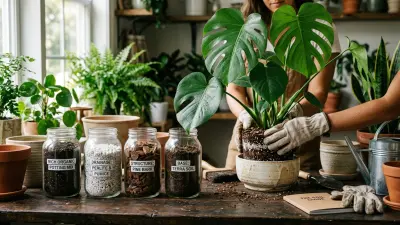
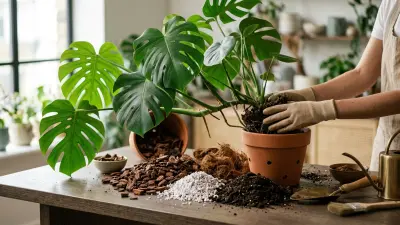
Core Ingredients for Custom Houseplant Substrates
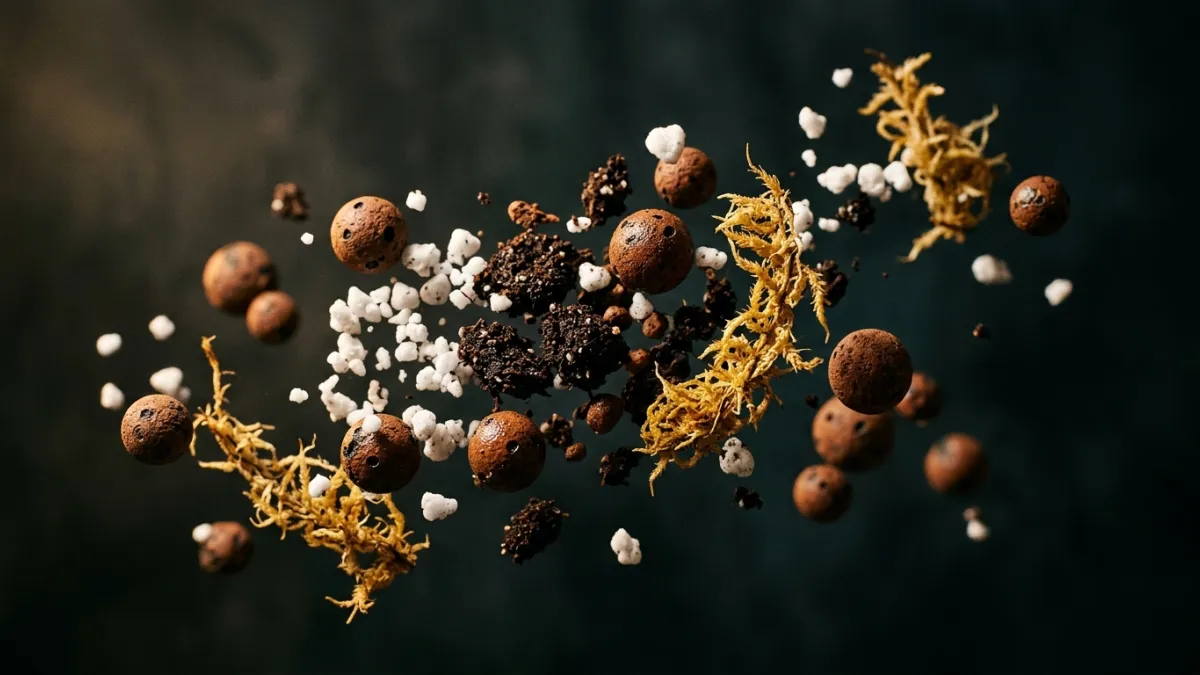
Building a custom substrate relies on combining organic moisture-retaining materials with inorganic drainage amendments:
- Peat-Free Potting Soil or Coco Coir: Forms the base layer. Coco coir holds up to 8–9 times its weight in water while maintaining structural stability longer than peat moss.
- Perlite or Pumice: Expandable volcanic glass (perlite) creates air pockets and prevents compaction. Pumice is heavier and will not float to the top during watering.
- Orchid Bark (Pine or Fir Bark): Provides medium-to-large chunky structure (6–12 mm particle size). Crucial for epiphytic roots like Monstera and Anthurium.
- Horticultural Charcoal: Absorbs toxins, balances pH, and prevents fungal buildup in the root zone.
- Worm Castings: Organic fertilizer that delivers nitrogen, micro-nutrients, and beneficial microbes without burning plant roots.
Substrate Mix Recipes by Plant Type
Different plant families require different ratios of aeration to moisture retention. Use the following tested substrate formulas for optimal growth:
| Plant Type | Base Soil/Coir | Perlite / Pumice | Orchid Bark | Nutrients / Extras |
|---|---|---|---|---|
| Standard Tropicals (Pothos, Calathea) | 50% | 25% | 15% | 10% Worm Castings |
| Chunky Aroid Mix (Monstera, Philodendron) | 30% | 20% | 35% | 15% Charcoal & Castings |
| Succulents & Cacti | 20% | 50% (Fine Grit/Pumice) | 0% | 30% Coarse Sand |
Step-by-Step: How to Mix Your Own Substrate
- Hydrate Coconut Coir: If using compressed coir bricks, soak them in warm water for 15–20 minutes until completely expanded, then squeeze out excess water.
- Measure by Volume: Use a standard scoop or measuring bucket to mix ingredients according to your chosen ratio rather than measuring by weight.
- Dampen the Mix: Lightly mist perlite and dry ingredients while mixing to prevent fine dust inhalation. Wearing a dust mask is recommended during handling.
- Store Properly: Store leftover substrate in an airtight container in a dry location to prevent mould spores or fungus gnats from colonizing the soil.
3 Common Substrate Mistakes to Avoid
1. Using Outdoor Garden Soil Indoors: Digging soil from the garden brings heavy clay, weed seeds, and soil-dwelling pests like root aphids into your living spaces.
2. Skipping Pots with Drainage Holes: Even the best airy substrate mix will fail if excess water cannot drain freely out of the bottom of the container.
3. Compacting Soil During Repotting: Never press substrate firmly around roots with force. Tap the sides of the pot lightly to let settled soil fill large gaps natural without crushing root structures.
Frequently Asked Questions
Why is perlite floating to the top of my potted plants?
Perlite is extremely lightweight and physically lighter than water. Over time, top-watering floats perlite particles upward. To prevent this, top-dress your soil with coarse sand or switch to horticultural pumice in future substrate batches.
Can I reuse old houseplant soil?
Old soil loses its structure, nutrients, and porosity over 1–2 years. Reusing substrate from healthy plants is possible if mixed 50/50 with fresh perlite and worm castings. However, soil from plants that suffered from fungal rot or pest infestations should always be discarded.