Creating a Pet-Safe Urban Jungle Indoors
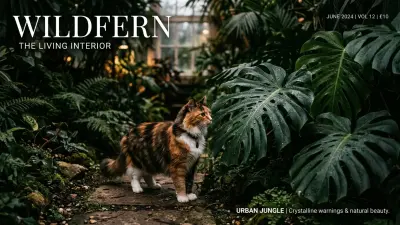
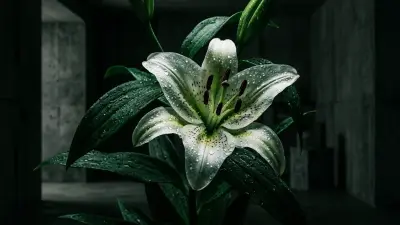
Curating a green indoor space should not put your furry family members at risk. Many popular houseplants—including Pothos, Monstera deliciosa, and Peace Lilies—contain insoluble calcium oxalate crystals or other compounds that trigger severe vomiting, oral irritation, and drooling in dogs and cats. Fortunately, you do not need to settle for artificial greens to keep your pets safe.
Below are 10 non-toxic, pet-safe houseplants confirmed harmless by the ASPCA (American Society for the Prevention of Cruelty to Animals), along with actionable care instructions for your home.
Top 10 Non-Toxic Houseplants for Pets
1. Spider Plant (Chlorophytum comosum)
An ideal choice for beginners, the Spider Plant produces arching foliage and playful plantlets ("spiderettes").
- Light: Bright, indirect light; tolerates moderate shade.
- Watering: Water when the top 2.5 cm (1 inch) of soil feels dry.
- Pot Size & Substrate: 15–20 cm pot with standard potting soil mixed with 20% perlite for drainage.
- Pet Tip: Cats are naturally drawn to its mild hallucinogenic properties, so hang it high to keep foliage looking neat.
2. Parlor Palm (Chamaedorea elegans)
This slow-growing palm brings a tropical aesthetic without taking up excessive floor space.
- Light: Low to medium indirect light. Avoid direct sun to prevent leaf scorching.
- Watering: Keep slightly moist, but avoid soggy roots. Water every 7–10 days.
- Pot Size & Substrate: 18–25 cm pot using a peat- or coconut-coir-based indoor mix.
3. Boston Fern (Nephrolepis exaltata)
Known for lush, feathery fronds, Boston Ferns double as natural air humidifiers.
- Light: Bright, filtered light.
- Watering: Needs high humidity (over 50%) and constantly damp soil. Mist fronds twice weekly.
- Pot Size & Substrate: 20 cm hanging basket filled with a moisture-retentive substrate (rich in compost and peat moss).
4. Prayer Plant (Maranta leuconeura)
Features striking leaf patterns that fold upward at night, mimicking hands in prayer.
- Light: Medium indirect light. Keep away from drafts and heaters.
- Watering: Use room-temperature distilled or filtered water when the surface soil dries. Sensitive to fluoride tap water.
- Pot Size & Substrate: 14–16 cm shallow pot; prefers well-draining, acidic substrate (pH 5.5–6.0).
5. Watermelon Peperomia (Peperomia argyreia)
Compact and decorative, featuring oval leaves patterned like watermelon rinds.
- Light: Bright, indirect light to maintain foliage coloration.
- Watering: Semi-succulent nature. Allow 50% of the soil to dry out between waterings (roughly every 10–14 days).
- Pot Size & Substrate: 12–15 cm pot; succulent soil blend mixed with perlite.
6. Rattlesnake Plant (Goeppertia insignis / Calathea insignis)
Displays long, wavy green leaves with dark spots and deep purple undersides.
- Light: Medium, indirect light. Direct sunlight causes pattern fading.
- Watering: Water weekly using rainwater or filtered water to avoid tip browning.
- Pot Size & Substrate: 15–20 cm pot with aerated soil containing perlite and pine bark.
7. Ponytail Palm (Beaucarnea recurvata)
Despite its name, this plant is a succulent with a bulbous trunk that stores water efficiently.
- Light: Full sun to bright indirect light.
- Watering: Sparse. Soak thoroughly every 2–3 weeks, allowing soil to dry completely.
- Pot Size & Substrate: 15–20 cm heavy terracotta pot using cactus mix.
8. African Violet (Saintpaulia ionantha)
One of the few non-toxic flowering indoor plants that bloom reliably indoors year-round.
- Light: Bright, indirect window light (east or west-facing).
- Watering: Bottom-water using lukewarm water to prevent leaf spotting.
- Pot Size & Substrate: Small 10–12 cm pots; porous African Violet potting mix.
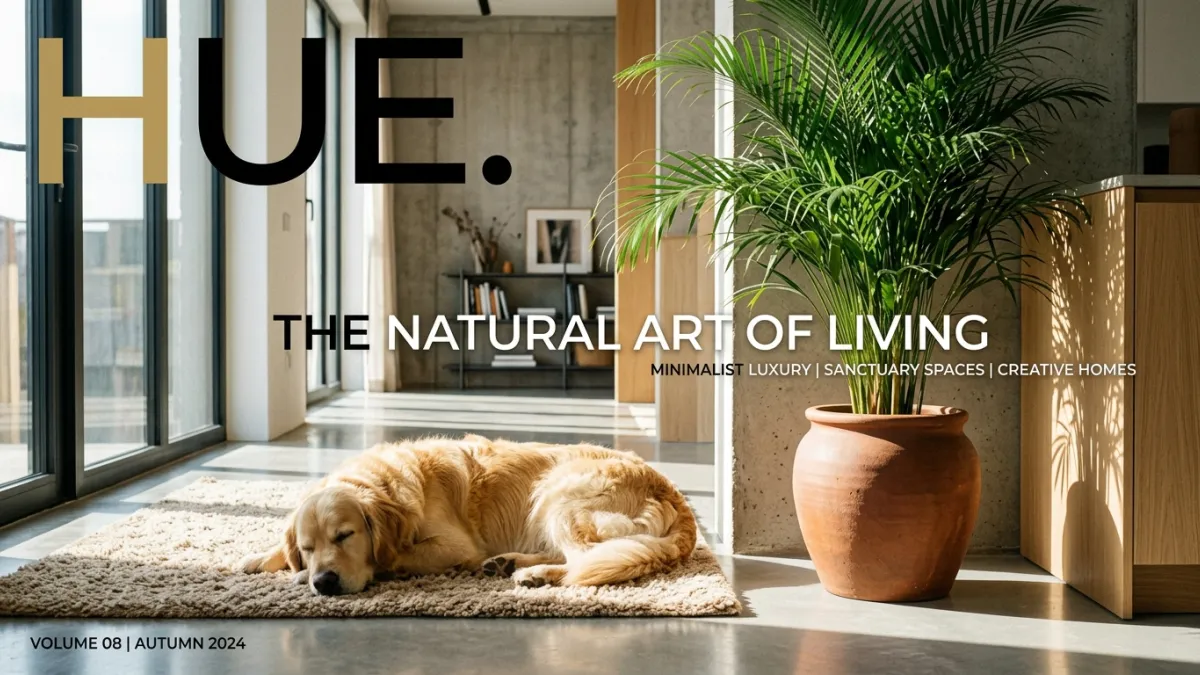
9. Areca Palm (Dypsis lutescens)
A large statement plant with arching fronds, perfect for living room corners.
- Light: Bright, indirect sun.
- Watering: Water generously during spring and summer; reduce frequency in winter.
- Pot Size & Substrate: Large 25–35 cm container with built-in drainage holes.
10. Christmas Cactus (Schlumbergera bridgesii)
A festive, winter-blooming succulent with smooth, segmented leaf pads and pink or red blooms.
- Light: Bright indirect sunlight.
- Watering: Water when the top 3 cm of soil feels dry. Avoid waterlogging during flower bud formation.
- Pot Size & Substrate: 15 cm pot filled with regular potting mix amended with 30% coarse sand or perlite.
Overview: Non-Toxic Houseplant Care Guide
| Plant Species | Light Needs | Water Frequency | Growth Rate |
|---|---|---|---|
| Spider Plant | Medium to Bright | Every 5–7 days | Fast |
| Parlor Palm | Low to Medium | Every 7–10 days | Slow |
| Boston Fern | Bright Indirect | Every 3–5 days (High humidity) | Moderate |
| Watermelon Peperomia | Bright Indirect | Every 10–14 days | Moderate |
| Christmas Cactus | Bright Indirect | Every 7–10 days | Moderate |
Preventing Pets from Disturbing Your Indoor Garden
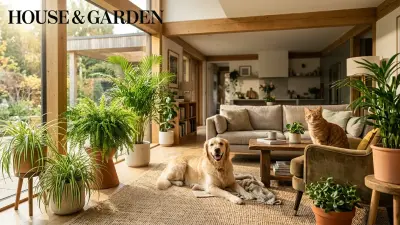
Even non-toxic plants can cause minor stomach upset if ingested in large quantities. Use these strategies to keep your green space intact:
- Heavy Pots: Use heavy terracotta or ceramic containers so curious dogs cannot knock them over.
- Elevate: Place delicate species like Marantas or Peperomias on wall shelves, plant stands, or hanging ceiling hooks.
- Deterrents: Sprinkle bitter apple spray or place fresh orange peels around the base of plants; pets dislike citrus scents.
- Alternative Greens: Provide dedicated pet grass (such as oat or barley grass) nearby to give cats a safe chewing alternative.
Frequently Asked Questions
What should I do if my cat eats a non-toxic plant?
While non-toxic plants will not cause systemic poisoning, eating fibrous plant matter can cause minor indigestion or vomiting. Monitor your pet, ensure access to fresh drinking water, and consult your veterinarian if vomiting persists for over 24 hours.
Are Jade Plants or Aloe Vera safe for dogs and cats?
No. Both Jade Plants (Crassula ovata) and Aloe Vera are toxic to dogs and cats. They contain saponins and anthraquinones that trigger severe vomiting, lethargy, and diarrhea.